Blog 5 coverage

30 Days Challenge to Start an Embroidery Business

Week 1: Learn the Basics

Week 2: Machine Setup & Practice

Week 3: Create Sample Designs

Week 4: Start Marketing & Get Orders

Income & Growth Opportunity

Final Thoughts

Starting an embroidery business does not require a huge investment or years of experience. With dedication, practice, and the right machine, you can successfully launch your embroidery business in just 30 days.

Take one step every day, stay consistent, and turn your creativity into a profitable business opportunity.

FAQ

1. How long does it take to learn embroidery machine operation?

With proper training and practice, beginners can learn basic embroidery machine operation within a few days to a few weeks

2.What are the benefits of computerized embroidery machines?

Computerized embroidery machines offer:

  • Faster production
  • Better accuracy
  • Easy design customization
  • Automatic functions
  • Improved productivity

3. Is technical support important when buying an embroidery machine?

Yes, good after-sales support and training are very important, especially for beginners. Reliable support helps avoid downtime and improves productivity

4. Can I expand my embroidery business in the future?

Absolutely. You can start small and later expand into bulk production, advanced designs, and multi-head embroidery machines as your business grows.

GET IN TOUCH

Schedule a Demo

How to Start an Embroidery Business in India

The embroidery industry in India is growing rapidly, driven by increasing demand for customized fashion, uniforms, branding, and designer clothing. From small boutiques to large garment manufacturers, embroidery has become an essential part of the textile and fashion industry.If you are planning to start your own embroidery business, this guide will help you understand the complete process—from choosing the right machine to finding customers and building a profitable business.

India has one of the world’s largest textile and garment markets, creating continuous demand for embroidery work. Today, customers prefer customized designs, personalized clothing, and premium finishing, making embroidery services highly valuable. Embroidery is widely used in:

  • Boutique and designer wear
  • School and college uniforms
  • Corporate branding and logos
  • Bridal collections
  • Kids wear and personalized gifts

Why Embroidery Business is a Great Opportunity in India

With low start up investment and strong demand, embroidery has become one of the most profitable small business opportunities in India.

Step 1: Understand Your Business Goal

Before starting, clearly define your business model.Ask yourself:

  • Will you work from home or open a shop?
  • Will you focus on custom orders or bulk production?
  • Who is your target audience?

You can start small and expand gradually as your business grows.Many beginners start with local boutique orders and later move into large-scale production.

Step 2: Choose the Right Embroidery Machine

Selecting the right machine is one of the most important decisions in your business journey.

Types of Embroidery Machines

Single Head Embroidery Machine

Best for:

  • Beginners
  • Home businesses
  • Small-scale production

These machines are affordable, easy to use, and ideal for customized work.

Multi Head Embroidery Machine

Best for:

  • Bulk orders
  • Garment factories
  • Large-scale businesses

They increase production speed and efficiency.

Reliable machines like Julee embroidery machines are widely preferred for their performance, durability, and beginner-friendly operation.

Step 3: Plan Your Budget

One of the biggest advantages of embroidery business is that it can be started with a moderate investment.

Your budget may include:

  • Embroidery machine
  • Threads and accessories
  • Computer/software
  • Workspace setup
  • Marketing expenses

Beginners can even start from home to reduce initial costs.

Step 4: Set Up Your Workspace

You don’t need a large commercial space initially.

A clean and organized workspace with:

  • Proper lighting
  • Stable power supply
  • Ventilation
  • Storage for threads and materials

is enough to start your embroidery business efficiently.

Step 5: Learn Basic Embroidery Skills

Even with modern computerized machines, basic knowledge is important.

Learn:

  • Machine operation
  • Thread handling
  • Design placement
  • Fabric types
  • Basic troubleshooting

Many embroidery machine suppliers, including Julee, provide training and technical guidance for beginners.

Step 6: Create Sample Designs

Before approaching customers, build a small portfolio.

Create samples such as:

  • Logo embroidery
  • Name embroidery
  • Floral patterns
  • Uniform designs

Take high-quality photos of your work for marketing purposes.

Good presentation increases customer trust.

Step 7: Find Your First Customers

Marketing plays a major role in growing your embroidery business.

Start with:

  • Friends and family
  • Local boutiques
  • Tailoring shops
  • Schools and colleges
  • Small businesses

You can also promote your work through:

  • Instagram
  • WhatsApp Business
  • Facebook pages
  • Google Business Profile

Social media is highly effective for embroidery businesses because visuals attract customers quickly.

Step 8: Focus on High-Demand Services

Some embroidery services are always in demand and offer better profit margins.

Popular services include:

  • School uniform logos
  • Company branding
  • Bridal embroidery
  • Kids name embroidery
  • Boutique customization

Customized products usually generate higher profits than standard designs.

Step 9: Improve Quality & Customer Service

Success in embroidery business depends heavily on quality and customer satisfaction.

Focus on:

  • Clean finishing
  • Accurate stitching
  • Timely delivery
  • Professional communication

Happy customers often become repeat clients and recommend your services to others.

Step 10: Scale Your Business

Once you start receiving regular orders, you can expand by:

  • Upgrading to multi-head machines
  • Hiring staff
  • Taking bulk garment orders
  • Offering online services

Investing in high-performance machines helps support long-term business growth.

Profit Potential in Embroidery Business

The embroidery business offers strong profit margins because:

  • Material costs are relatively low
  • Customized work adds premium value
  • Bulk orders increase income significantly

Many embroidery business owners in India earn anywhere between:

  • ₹30,000 to ₹1,00,000+ per month

depending on order volume and service quality.

Common Mistakes to Avoid

Buying the wrong machine
❌ Ignoring customer service
❌ Poor design quality
❌ Lack of marketing
❌ Underpricing your work

Consistency and professionalism are key to long-term success.

✅ Final Thoughts

Starting an embroidery business in India is a smart opportunity for anyone interested in creativity, fashion, and entrepreneurship. With the right machine, proper planning, and consistent effort, you can turn embroidery into a profitable and scalable business.

Whether you start from home or plan a larger setup, success depends on learning continuously, delivering quality work, and building strong customer relationships.

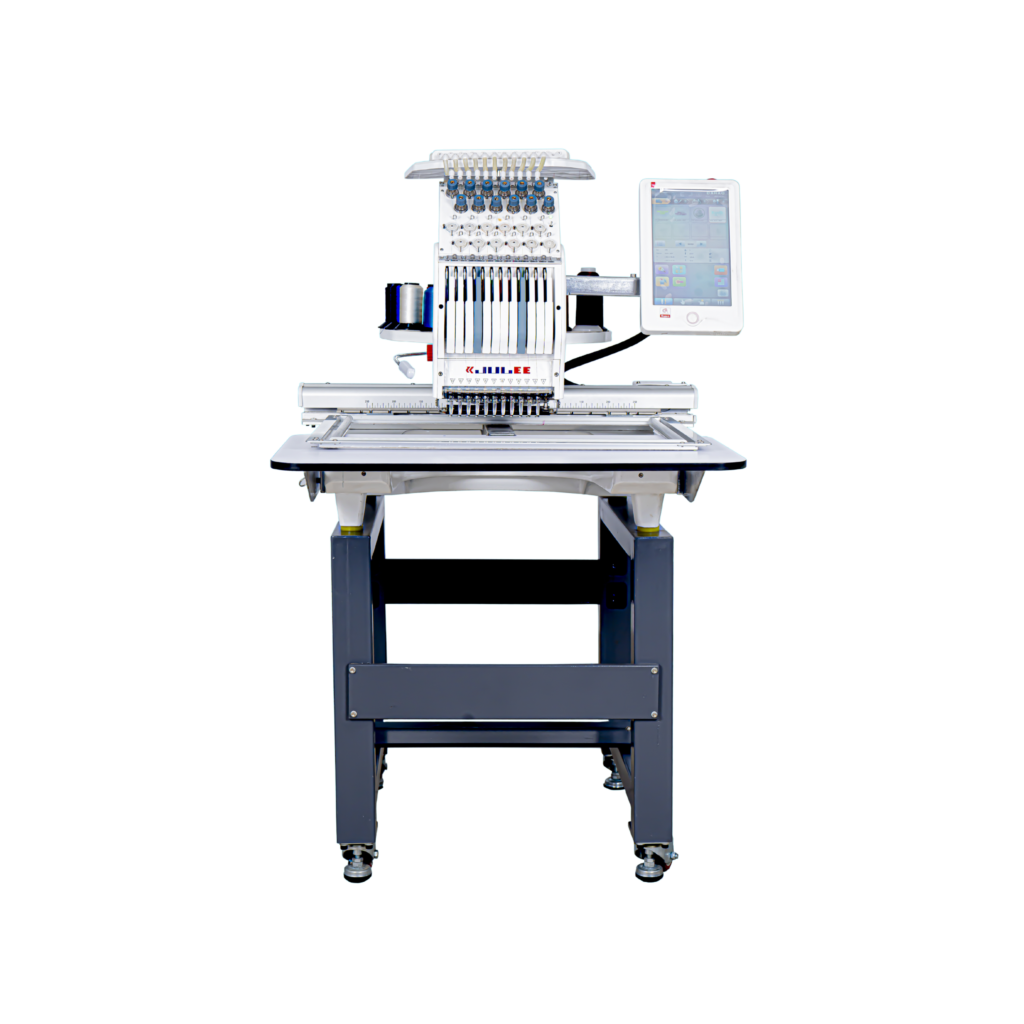
Top Model

Single Head

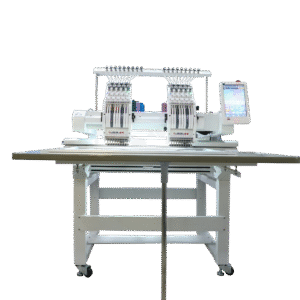
MId Model

Multi Head

FAQ

1. Is embroidery business profitable in India?

Yes, embroidery business is profitable in India due to the increasing demand for customized clothing, uniforms, boutique designs, and logo embroidery. With the right machine and proper marketing, it can generate steady income.

2. How much investment is needed to start an embroidery business?

The investment depends on the type of embroidery machine and business scale. Beginners can start with a single head embroidery machine and basic setup at a moderate investment.

3. Which embroidery machine is best for beginners?

Single head computerized embroidery machines are best for beginners because they are easy to operate, affordable, and suitable for small-scale production.

4.Is training necessary before starting an embroidery business?

Basic training is highly recommended because it helps you understand machine handling, troubleshooting, and design techniques more efficiently.

Proudly powered by WordPress

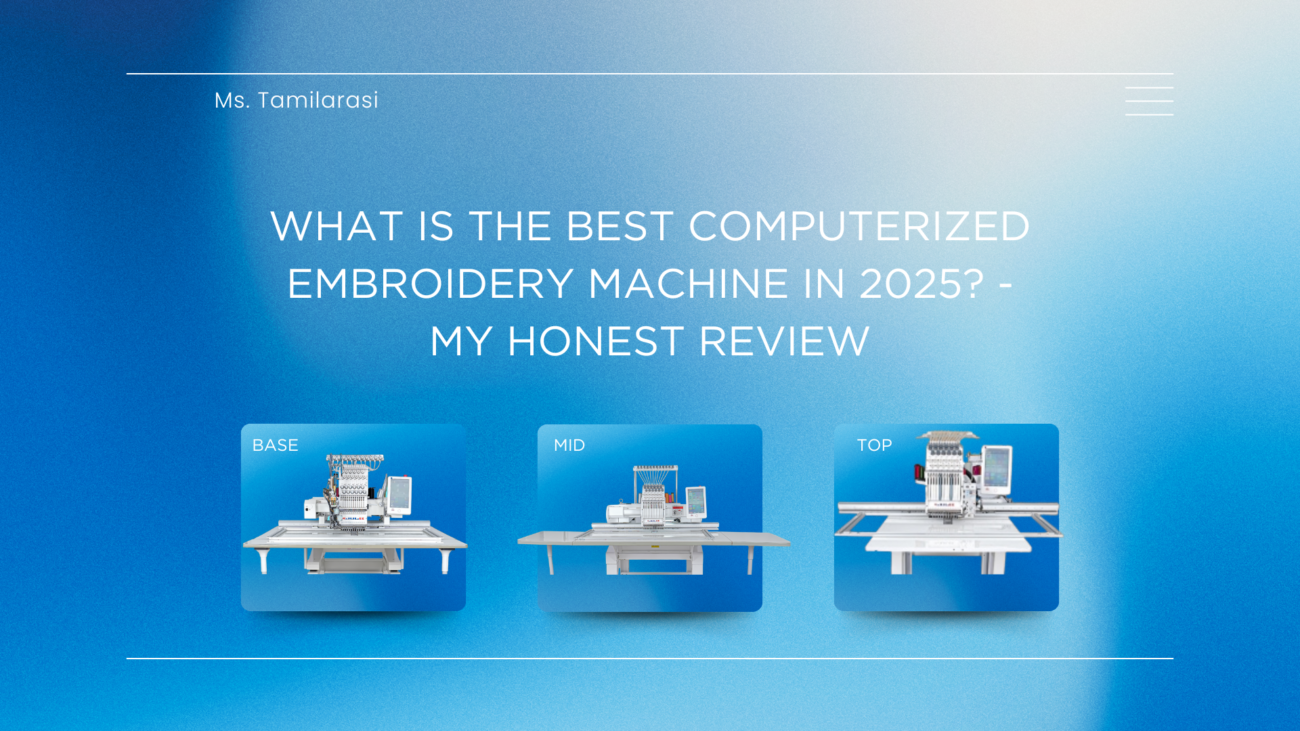
What Is the Best Computerized Embroidery Machine in 2025? - My honest review

What Is the Best Computerized Embroidery Machine in 2025? – My honest review

A New India, A New Kind of Woman Entrepreneur

I am 25 years old living in Tirupur, South India and my first understanding of this hard work did not come from a book. Isn’t it? so it came from watching many women across my region and my neighbours bend over sewing machines late at night.  My close aunties carefully finished blouse borders and returned small rooms into quiet workshops where they stitched thread by thread. They never called themselves entrepreneurship instead, it was simply responsibility, survival and hope. 

But something has changed.

In India, today is moving forward with confidence, and so are its women. In 2025 embroidery is no longer seen as just a traditional skill passed from one generation to another. It has become a serious business opportunity and source of financial Independence, the door way to self-respect. So what once stayed hidden inside homes is now stepping into the light as the professions with pride.

Across the South Indian’s major cities, Women are courageously choosing to begin again. Some start from a single room in their homes, some open small workshops, some build boutique brands with their own names stitched into every piece. There is a quiet revolution happening that one where women choose machines is not just a work, but it stands on their own feet.

The demand is real and growing, customized clothing, bridal embroidery, uniforms, ethnic wear and designer pieces are no longer limited to big cities. Customers want personal stories behind their garments. They want craftsmanship. They want authenticity. and women are ready to deliver.

Yet, with this new freedom comes a very personal question – one that carries both excitement and fear:

“What is the best computerised embroidery machine in 2025 for someone like me?”

Someone who dreams big but starts small.

Someone who wants stability, not risk.

Someone who believes in growing step by step.

The question is not only about technology it is about trust, confidence, and choosing the right beginning. Because for many women in my region today, an embroidery machine is not just a purchase, it is a first step towards their independence, their dignity, and future they can finally call their own. 

In 2025, the first and foremost comes into my mind is “Julee” from SS CREATIONS Tirupur. I felt the story of SS Creations has introduced the signature brand where the reverse arrow is called for roots of embroidery. 

Lets Explore Julee - The real computerized embroidery heroes:

The Julee brand is committed to delivering reliable, efficient, and scalable embroidery solutions for modern businesses across the region. SS Creations has a wide range of Julee machines starting from single head embroidery machines – base, mid, and top model with unique features to completely customized upto 42 heads for big commerce trade. 

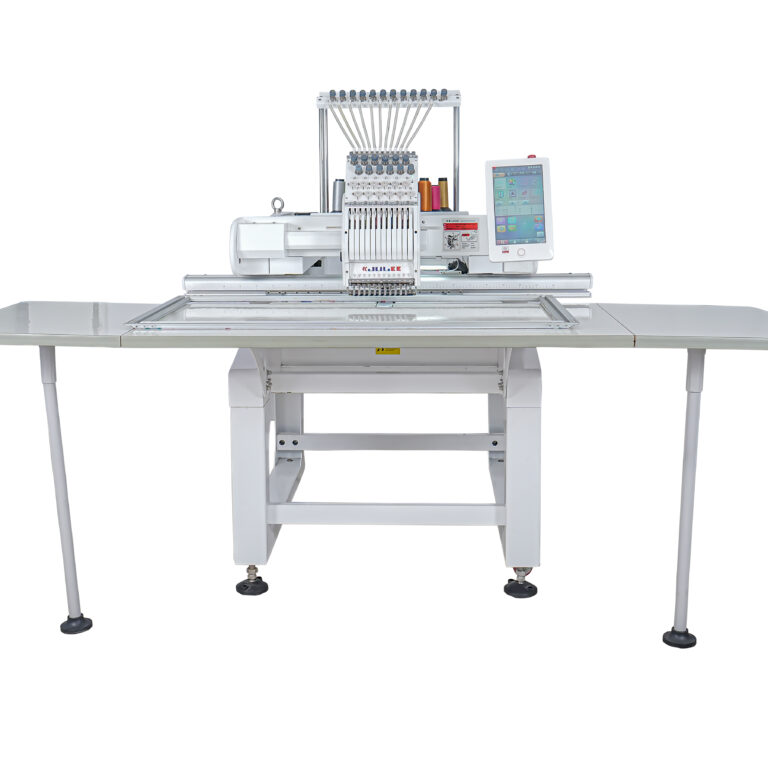
With all the above, I loved the special model for my journey: Single Head computerized embroidery machine MID JL MY2040 – frame size 500*1000mm because it aligned perfectly with the stage of my entrepreneurial journey.

single head embroidery machine - mid model - julee embroidery
Photo Credit: Julee MY2040

So at this point in my business, I need more than a beginner level machine because my existing orders were increasing, designs were becoming more detailed, and customers expected consistency and quality. The mid level offered me exactly the balance and professional capacity without unnecessary complexity.

The right frame size for the real business Growth

The 500*1000mm frame size was the decisive factor for me. It provides enough working area to handle large embroidery designs such as saree pallus, dupattas, kurti panels, uniforms logos, and boutique orders without constant repositioning. This not only improves efficiency, but also maintains design accuracy for someone growing step by step. The frame size allows flexibility. So the small customized jobs on one day and large commercial orders on another day. so it supports growth without forcing and immediate shift to an industrial scale setup. 

Performance That Matches My Daily Workflow

The Single Head MID JL MY2040 delivers stable performance throughout long working hours, which is essential when managing deadlines and multiple client expectations. Its smooth operation, precise stitching, and consistent output help maintain professional standards—something that matters deeply when building a brand reputation.

As a woman entrepreneur, reliability is not optional. I needed a machine that works as hard as I do, without frequent interruptions or technical uncertainty. This machine provides that confidence.

Conclusion: A Machine That Grows With Me

For my journey in 2025, the MID JL MY2040 – 500 × 1000 mm frame size is not just equipment. It is a partner in progress. It represents a thoughtful investment—one that values consistency, creativity, and confidence. 

As my business continues to grow, this machine stands as proof that choosing the right technology at the right time can transform effort into excellence—and ambition into achievement.

In 2025, embroidery is not just work.

It is confidence, courage, and a future built with our own hands.

Article by: Ms.Tamilarasi.

Julee Embroidery Machines: High‑Performance Single & Six Head Options

Introduction

Julee Embroidery Machines, based in Tirupur, Tamil Nadu, stands at the forefront of industrial-grade embroidery technology in India. Specializing in both single head and six head embroidery units, Julee delivers performance, reliability, and precision for both commercial workshops and hobbyists alike Instagram+8juleeembroidery.in+8juliembroidery.in+8Printful+3juliembroidery.in+3raven793.rssing.com+3.

1. Innovative Technology & Superior Build

Featuring advanced computer‑controlled systems, Julee machines are engineered with components like the PC‑104 DM & PTM SoC vortex 86DX, offering seamless automation and high-speed stitching accuracy embroiderymachine.wixsite.com. Whether it’s home projects or factory demands, Julee’s technology supports efficient production.

2. Versatile Capacity: Single vs Multi‑Head

  • Single Head Models (400 × 600 mm): Ideal for custom patches, badges, and small to mid-scale embroidery jobs.
  • Six Head Models: For larger production runs, these multi-head options support synchronized stitching across multiple garments, boosting output and consistency juliembroidery.injuleeembroidery.in.

3. Trusted in the Heart of Textiles: Tirupur

Located in the textile hub of Tirupur, Julee is perfectly positioned to serve a wide range of apparel manufacturers and small-scale design studios across Tamil Nadu and India. Their strong regional network ensures prompt support and ease of access to spare parts Instagram+10juleeembroidery.in+10juleeembroidery.in+10.

4. Extensive Design Libraries & Workflow

With over 3,000 built-in aesthetic and industrial embroidery designs spanning floral, monogram, and corporate styles, Julee machines make customization effortless—supported by professional-grade workflow management features YouTubeYouTube.

5. Real Use Case: Badge & Logo Embroidery

Users have showcased badge embroidery capabilities using the single head Julee machine, highlighting clean stitching, vibrant color transitions, and precision—that stands up for corporate and identity-driven applications

The Benefits of Single-Head Embroidery Machines: A Smart Investment for Small Businesses

In the dynamic world of textile customization, embroidery machines have become essential tools for businesses that want to offer personalized, high-quality products. Among the many types available, single-head embroidery machines stand out for their versatility, efficiency, and value—especially for startups, small businesses, and home-based entrepreneurs.

This article explores the key benefits of single-head embroidery machines and why they continue to be a preferred choice across various sectors of the garment and promotional product industries.


1. Compact and Space-Efficient Design

One of the most significant advantages of single-head embroidery machines is their compact size. Unlike multi-head machines that require large dedicated spaces, single-head models are ideal for small workshops, home studios, and retail environments. Their portability also allows easy relocation, making them perfect for pop-up events or trade shows.


2. Cost-Effective Investment

Starting an embroidery business or expanding production doesn’t always require a heavy investment. Single-head machines are considerably more affordable than multi-head alternatives. They offer an excellent entry point for new entrepreneurs without compromising on quality or features.

Additionally, maintenance and operating costs are generally lower, which helps businesses keep overhead expenses in check.


3. High Versatility and Functionality

Modern single-head embroidery machines are equipped with advanced features that rival those found in multi-head systems. These include:

  • Multiple needle options (often 12-15 needles)
  • Touchscreen interfaces
  • USB and network connectivity
  • Automatic thread trimming and color change

This allows users to work on a wide range of materials and garment types—from caps and shirts to bags and jackets—without switching machines.


4. Ease of Use and Learning Curve

For newcomers to the embroidery business, single-head machines are user-friendly and often come with intuitive software. The simplified interface allows for faster learning, making it easier for staff or owners to get up to speed. Many models offer built-in tutorials or support through mobile apps, which enhances user confidence and reduces training time.


5. Customization and Small-Batch Flexibility

Single-head embroidery machines are perfect for businesses that focus on small-batch production or custom, made-to-order work. Whether it’s personalizing individual garments or running limited edition product lines, these machines offer the flexibility needed to accommodate diverse customer requests quickly and efficiently.


6. Low Downtime and Quick Setup

Since there is only one head to manage, setup times are shorter, and troubleshooting is more straightforward. This means less downtime during operation, especially when changing designs or thread colors. For businesses handling multiple, varied jobs daily, this can lead to increased productivity and quicker turnaround times.


7. Scalability and Business Growth

A single-head embroidery machine can be the foundation of a growing business. Many companies start with one machine and gradually scale operations by adding more units as demand increases. This modular growth strategy minimizes risk while allowing for steady expansion based on revenue and market needs.

Traditional Embroidery Designs Reimagined with Modern Embroidery Machines…

Introduction: Tradition Meets Technology

Traditional embroidery has long been revered for its artistic, cultural, and symbolic value. From ancient Indian zardozi to Eastern European cross-stitch, every stitch holds a narrative. Today, embroidery machines are playing a pivotal role in preserving and evolving these age-old designs—bringing precision, scalability, and new life to traditional motifs.


What Are Traditional Embroidery Designs?

Traditional embroidery designs refer to culturally rooted patterns and stitch techniques passed down through generations. These motifs often reflect local flora, fauna, beliefs, and customs.

Examples include:

  • Japanese Sashiko: Functional and decorative, with geometric and repetitive patterns.
  • Hungarian Matyó: Colorful floral designs rich in symbolism.
  • Middle Eastern Tatreez: Palestinian cross-stitch with deeply symbolic tribal motifs.

How Embroidery Machines Preserve Traditional Designs

Modern embroidery machines can replicate hand-stitched patterns with extraordinary detail and accuracy. Here’s how it works:

1. Digitization of Designs

Using specialized software such as Wilcom, Hatch, or Brother PE-Design, traditional motifs are converted into digital embroidery files (DST, PES, etc.). This includes:

  • Stitch type selection (e.g., satin, fill, running stitch)
  • Direction and density of stitches
  • Layering sequence and thread color management

2. Precision Execution

The machine interprets the digital file to stitch each element exactly as designed. This ensures:

  • Uniform quality
  • Repetition of patterns at scale
  • Faster production without artistic compromise

Benefits of Machine-Made Traditional Embroidery

Cultural Preservation

Digitized embroidery files act as a cultural archive. They safeguard traditional designs from extinction and make them accessible for future generations.

Efficiency with Authenticity

Machine embroidery dramatically reduces production time while maintaining the integrity and aesthetics of original hand-stitched work.

Commercial Viability

From fashion designers to home textile brands, businesses benefit from using traditional motifs that appeal to global markets, made efficiently with machines.

Customization at Scale

Digitized designs can be easily resized or modified without altering the cultural style—ideal for customizing apparel, accessories, or home décor items.


Ethical Considerations in Machine Embroidery

With the ability to replicate comes the responsibility to respect cultural ownership. Many traditional designs have deep roots in indigenous and local communities. Ethical digitization should include:

  • Community collaboration
  • Proper attribution
  • Fair compensation for original artists or cultural custodians

Industries Embracing Machine-Embroidered Tradition

  1. Fashion & Apparel
    • Bohemian collections
    • Ethnic-inspired fashion
    • Wedding & ceremonial attire
  2. Home Textiles
    • Embroidered cushions, drapes, and linens
  3. Corporate & Promotional
    • Cultural motifs in branded apparel or souvenirs
  4. Religious & Ceremonial
    • Church vestments, religious garments, and traditional robes

traditional embroidery designs, machine embroidery, digitized embroidery patterns, cultural embroidery motifs, embroidery machines, heritage textile preservation