blog 7 coverage img

Best Fabrics for Machine Embroidery
Best Fabrics for Machine Embroidery

Best Fabrics

Choosing the right fabric is one of the most important factors in achieving high-quality machine embroidery. Even the best embroidery machine cannot deliver professional results if the fabric is not suitable for embroidery work. Different fabrics behave differently during stitching, and selecting the correct material helps improve design quality, durability, and finishing. Whether you are a beginner or running an embroidery business, understanding the best fabrics for machine embroidery can help you avoid common mistakes and produce professional results

Why Fabric Selection Matters in Machine Embroidery

Fabric directly affects:

  • Stitch quality
  • Design clarity
  • Thread tension
  • Fabric stability
  • Overall embroidery appearance

Using the wrong fabric can cause puckering, thread breakage, uneven stitching, or poor design finishing. High-quality embroidery starts with the right fabric choice.
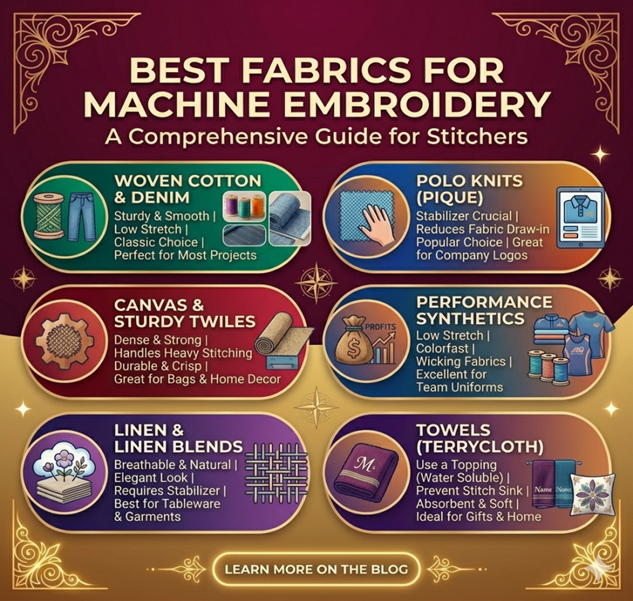
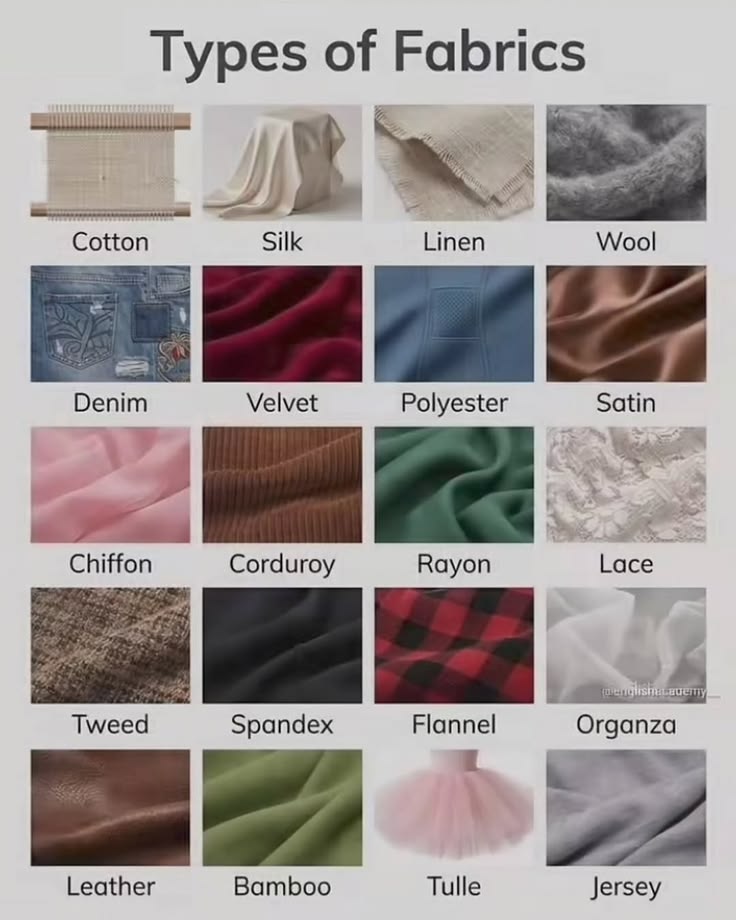
1. Cotton Fabric – Best for Beginners

Cotton is one of the most commonly used fabrics for machine embroidery because it is stable, easy to handle, and beginner-friendly.

 Benefits:

  • Smooth embroidery surface
  • Minimal stretching
  • Easy hooping process
  • Suitable for detailed designs

 Best Used For:

  • T-shirts
  • Kurtis
  • Kids wear
  • Customized clothing

Cotton works exceptionally well with computerized embroidery machines.

2. Linen Fabric – Elegant & Professional

Linen is a premium fabric known for its natural texture and elegant appearance. It produces beautiful embroidery results when handled correctly.

Benefits:

  • Strong and durable
  • Premium look
  • Excellent thread visibility

Best Used For:

  • Designer wear
  • Home décor items
  • Boutique collections

Proper stabilizers are recommended while embroidering on linen.

3. Denim Fabric – Durable & Stylish

Denim is widely used for bold and fashionable embroidery designs.

Benefits:

  • Thick and stable fabric
  • Ideal for heavy embroidery
  • Durable for long-term use

Best Used For:

  • Jackets
  • Jeans
  • Bags
  • Fashion wear

Denim supports logo embroidery and creative customized designs very well.

4. Silk Fabric – Premium Embroidery Finish

Silk creates luxurious embroidery results and is commonly used in bridal and festive collections.

Benefits:

  • Rich appearance
  • Smooth embroidery finish
  • Premium customer appeal

Best Used For:

  • Sarees
  • Bridal wear
  • Designer outfits

Silk requires careful handling and proper machine tension settings.

5. Polyester Fabric – Commercial & Uniform Use

Polyester fabrics are commonly used in uniforms and corporate garments because of their durability and wrinkle resistance.

Benefits:

  • Strong and long-lasting
  • Easy maintenance
  • Suitable for logo embroidery

Best Used For:

  • School uniforms
  • Company uniforms
  • Sportswear

Polyester performs well for bulk embroidery production.

6. Fleece & Knit Fabrics – Soft & Comfortable

Soft fabrics like fleece and knit materials are popular in winter wear and casual clothing.

Benefits:

  • Comfortable texture
  • Good for decorative embroidery
  • Attractive design finish

Best Used For:

  • Hoodies
  • Sweatshirts
  • Baby clothing

Using proper stabilizers is important to avoid fabric stretching.

Importance of Stabilizers in Embroidery

No matter which fabric you choose, stabilizers are essential for maintaining fabric stability during embroidery.

Stabilizers help:

  • Prevent puckering
  • Improve stitch quality
  • Maintain design accuracy
  • Support delicate fabrics

Choosing the right stabilizer improves overall embroidery performance significantly.

Choosing the Right Fabric for Your Business

When selecting fabric for embroidery, consider:

  • Fabric thickness
  • Stretch ability
  • Design complexity
  • End-use product
  • Customer preference

Businesses using reliable machines like Julee embroidery machines can achieve excellent results on multiple fabric types with proper settings and techniques.

Common Mistakes to Avoid

❌ Using unstable fabrics without stabilizers
❌ Ignoring fabric thickness
❌ Incorrect thread tension settings
❌ Using unsuitable needles

Proper fabric selection improves embroidery quality and customer satisfaction.

Final Thoughts

The success of machine embroidery depends not only on the machine but also on choosing the right fabric. Cotton, linen, denim, silk, polyester, and knit fabrics each offer unique advantages for different embroidery applications.

Understanding fabric behavior, using proper stabilizers, and maintaining correct machine settings will help you achieve professional-quality embroidery results consistently.

Whether you are creating customized fashion, uniforms, or boutique collections, selecting the best fabric is the first step toward beautiful and durable embroidery work.


FAQ’s

1. Which fabric is best for beginners in machine embroidery?

Cotton fabric is considered the best option for beginners because it is stable, easy to handle, and supports clean embroidery stitching.


2. Can embroidery be done on stretch fabrics?

Yes, embroidery can be done on stretch fabrics like knit and fleece materials, but proper stabilizers are required to prevent stretching and puckering.


3. Why are stabilizers important in machine embroidery?

Stabilizers help maintain fabric stability, improve stitch quality, and prevent embroidery designs from becoming distorted during stitching.


4. Is denim suitable for machine embroidery?

Yes, denim is an excellent fabric for embroidery because it is thick, durable, and ideal for bold designs and logo embroidery.

Proudly powered by WordPress

How to Start an Embroidery Business in India

The embroidery industry in India is growing rapidly, driven by increasing demand for customized fashion, uniforms, branding, and designer clothing. From small boutiques to large garment manufacturers, embroidery has become an essential part of the textile and fashion industry.If you are planning to start your own embroidery business, this guide will help you understand the complete process—from choosing the right machine to finding customers and building a profitable business.

India has one of the world’s largest textile and garment markets, creating continuous demand for embroidery work. Today, customers prefer customized designs, personalized clothing, and premium finishing, making embroidery services highly valuable. Embroidery is widely used in:

  • Boutique and designer wear
  • School and college uniforms
  • Corporate branding and logos
  • Bridal collections
  • Kids wear and personalized gifts

Why Embroidery Business is a Great Opportunity in India

With low start up investment and strong demand, embroidery has become one of the most profitable small business opportunities in India.

Step 1: Understand Your Business Goal

Before starting, clearly define your business model.Ask yourself:

  • Will you work from home or open a shop?
  • Will you focus on custom orders or bulk production?
  • Who is your target audience?

You can start small and expand gradually as your business grows.Many beginners start with local boutique orders and later move into large-scale production.

Step 2: Choose the Right Embroidery Machine

Selecting the right machine is one of the most important decisions in your business journey.

Types of Embroidery Machines

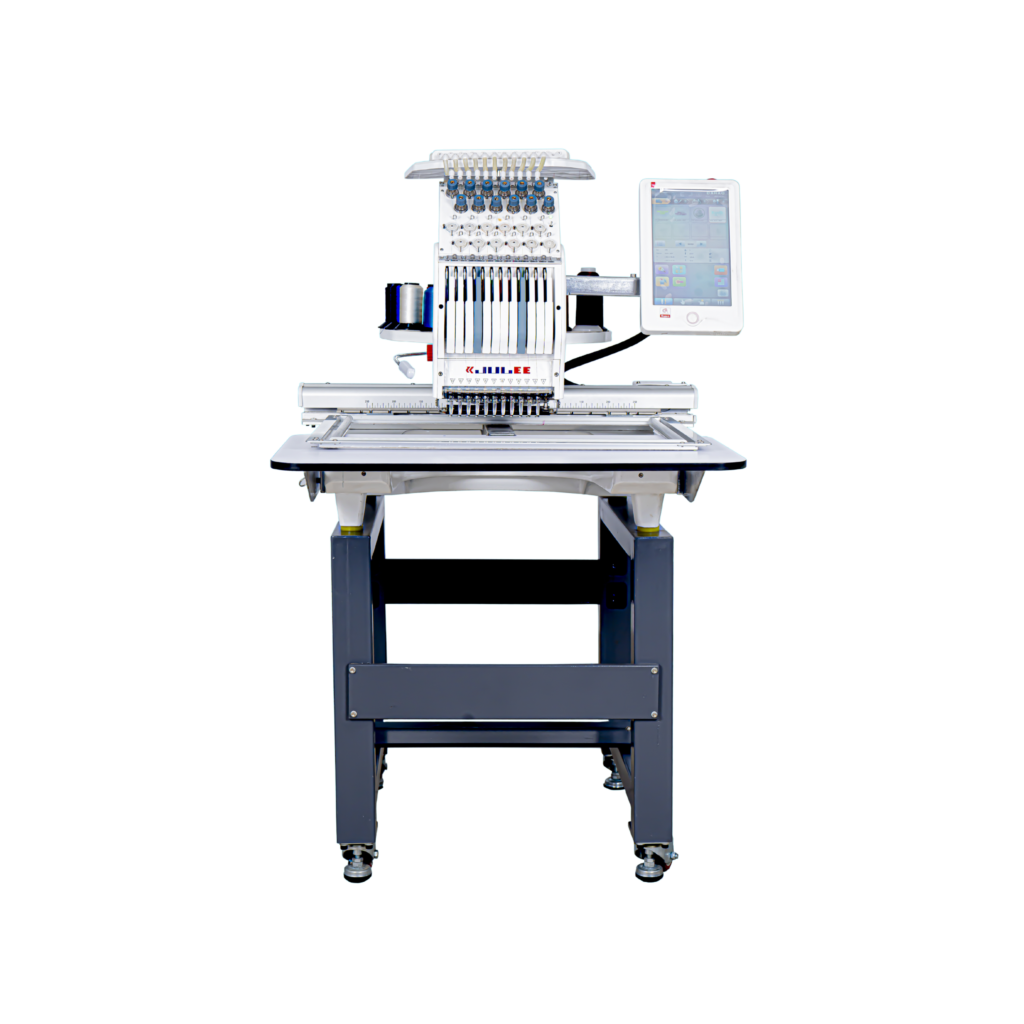
Single Head Embroidery Machine

Best for:

  • Beginners
  • Home businesses
  • Small-scale production

These machines are affordable, easy to use, and ideal for customized work.

Multi Head Embroidery Machine

Best for:

  • Bulk orders
  • Garment factories
  • Large-scale businesses

They increase production speed and efficiency.

Reliable machines like Julee embroidery machines are widely preferred for their performance, durability, and beginner-friendly operation.

Step 3: Plan Your Budget

One of the biggest advantages of embroidery business is that it can be started with a moderate investment.

Your budget may include:

  • Embroidery machine
  • Threads and accessories
  • Computer/software
  • Workspace setup
  • Marketing expenses

Beginners can even start from home to reduce initial costs.

Step 4: Set Up Your Workspace

You don’t need a large commercial space initially.

A clean and organized workspace with:

  • Proper lighting
  • Stable power supply
  • Ventilation
  • Storage for threads and materials

is enough to start your embroidery business efficiently.

Step 5: Learn Basic Embroidery Skills

Even with modern computerized machines, basic knowledge is important.

Learn:

  • Machine operation
  • Thread handling
  • Design placement
  • Fabric types
  • Basic troubleshooting

Many embroidery machine suppliers, including Julee, provide training and technical guidance for beginners.

Step 6: Create Sample Designs

Before approaching customers, build a small portfolio.

Create samples such as:

  • Logo embroidery
  • Name embroidery
  • Floral patterns
  • Uniform designs

Take high-quality photos of your work for marketing purposes.

Good presentation increases customer trust.

Step 7: Find Your First Customers

Marketing plays a major role in growing your embroidery business.

Start with:

  • Friends and family
  • Local boutiques
  • Tailoring shops
  • Schools and colleges
  • Small businesses

You can also promote your work through:

  • Instagram
  • WhatsApp Business
  • Facebook pages
  • Google Business Profile

Social media is highly effective for embroidery businesses because visuals attract customers quickly.

Step 8: Focus on High-Demand Services

Some embroidery services are always in demand and offer better profit margins.

Popular services include:

  • School uniform logos
  • Company branding
  • Bridal embroidery
  • Kids name embroidery
  • Boutique customization

Customized products usually generate higher profits than standard designs.

Step 9: Improve Quality & Customer Service

Success in embroidery business depends heavily on quality and customer satisfaction.

Focus on:

  • Clean finishing
  • Accurate stitching
  • Timely delivery
  • Professional communication

Happy customers often become repeat clients and recommend your services to others.

Step 10: Scale Your Business

Once you start receiving regular orders, you can expand by:

  • Upgrading to multi-head machines
  • Hiring staff
  • Taking bulk garment orders
  • Offering online services

Investing in high-performance machines helps support long-term business growth.

Profit Potential in Embroidery Business

The embroidery business offers strong profit margins because:

  • Material costs are relatively low
  • Customized work adds premium value
  • Bulk orders increase income significantly

Many embroidery business owners in India earn anywhere between:

  • ₹30,000 to ₹1,00,000+ per month

depending on order volume and service quality.

Common Mistakes to Avoid

Buying the wrong machine
❌ Ignoring customer service
❌ Poor design quality
❌ Lack of marketing
❌ Underpricing your work

Consistency and professionalism are key to long-term success.

✅ Final Thoughts

Starting an embroidery business in India is a smart opportunity for anyone interested in creativity, fashion, and entrepreneurship. With the right machine, proper planning, and consistent effort, you can turn embroidery into a profitable and scalable business.

Whether you start from home or plan a larger setup, success depends on learning continuously, delivering quality work, and building strong customer relationships.

Top Model

Single Head

MId Model

Multi Head

FAQ

1. Is embroidery business profitable in India?

Yes, embroidery business is profitable in India due to the increasing demand for customized clothing, uniforms, boutique designs, and logo embroidery. With the right machine and proper marketing, it can generate steady income.

2. How much investment is needed to start an embroidery business?

The investment depends on the type of embroidery machine and business scale. Beginners can start with a single head embroidery machine and basic setup at a moderate investment.

3. Which embroidery machine is best for beginners?

Single head computerized embroidery machines are best for beginners because they are easy to operate, affordable, and suitable for small-scale production.

4.Is training necessary before starting an embroidery business?

Basic training is highly recommended because it helps you understand machine handling, troubleshooting, and design techniques more efficiently.

Proudly powered by WordPress

blog img 2r

Best Embroidery Machine for Beginners

Starting your journey in embroidery can be both exciting and overwhelming. With so many machines available in the market, choosing the right one as a beginner can feel confusing. The right embroidery machine not only makes your learning process easier but also helps you build a profitable business over time.This complete guide will help you understand everything you need to know before choosing the best embroidery machine for beginners.

For beginners, selecting the right embroidery machine is crucial. A complex machine with advanced settings may slow down your learning, while a simple and user-friendly machine can help you gain confidence quickly.The right machine will:

Many beginners today prefer starting with Julee embroidery machines because they are designed with simplicity, reliability, and beginner-friendly features in mind.

Before buying, it’s important to understand the basic types of machines available:

1. Single Head Embroidery Machine

This is the best option for beginners. It is easy to operate, affordable, and perfect for small-scale work such as names, logos, and custom designs.

Julee Single Head Machines are widely used by beginners and small business owners for their smooth performance and easy operation.

2. Multi Head Embroidery Machine

These machines are designed for bulk production. They are more suitable for advanced users or businesses handling large orders.

Key Features

When choosing a beginner-friendly embroidery machine, focus on these essential features:

User-Friendly Interface

A simple control panel or touch screen makes it easier to operate the machine without confusion.
Julee machines come with easy-to-use controls, making them ideal for first-time users.

Built-in Designs & USB Support

Machines with pre-loaded designs and USB options allow you to experiment and create custom patterns easily.
With Julee machines, you can easily import your own designs and start customizing products.

Automatic Functions

Features like automatic thread cutting and color changing save time and reduce manual effort.
Julee machines include smart automation features that simplify embroidery work.

Number of Needles

Machines with multiple needles allow faster color changes and improve efficiency.
Julee offers multi-needle options to enhance speed and productivity.

Many beginners make these mistakes:

  • Buying a machine without proper research

  • Choosing based only on low price

  • Ignoring service support

  • Selecting complex machines

Avoiding these mistakes can save time, money, and effort.

The best embroidery machine for beginners is one that is:

  • Easy to use
  • Reliable
  • Feature-rich
  • Supported by strong customer service

Starting with the right machine helps you build skills and gradually expand your business.

Embroidery is a skill that can easily turn into a profitable business when combined with the right tools. As a beginner, your focus should be on learning, practicing, and gradually improving your work.

Choosing the right embroidery machine is the first and most important step in this journey. Take your time, compare options, and invest in a machine that supports your growth.

Proudly powered by WordPress

Top Embroidery Works You Can Do with a Single-Head Embroidery Machine

A single-head embroidery machine might look simple — but don’t be fooled! It’s one of the most versatile and creative tools in the embroidery industry.
Whether you’re a fashion designer, boutique owner, or startup entrepreneur, a single-head machine allows you to create stunning embroidery on garments, accessories, and home décor — all with precision and flexibility.

Let’s explore the many types of embroidery works you can create with a single-head machine. 👇

🪡 1. Logo & Branding Embroidery

Perfect for corporate uniforms, caps, t-shirts, bags, and jackets, single-head machines deliver crisp, professional embroidery for brand logos and emblems.
✅ Ideal for:

  • Company branding
  • School and sports uniforms
  • Promotional apparel

💡 Tip: Offer custom logo embroidery services to attract small businesses and startups.

💖 2. Name & Monogram Embroidery

Personalization never goes out of style! Single-head machines can beautifully stitch names, initials, and monograms on a variety of fabrics.
✅ Perfect for:

  • Personalized gifts
  • Towels, napkins, and robes
  • Wedding and event branding

🎁 Add a touch of uniqueness — people love seeing their names embroidered!

✂️ 3. Appliqué & Patch Work

Create textured, colorful designs using appliqué or patch embroidery. You can mix fabrics, colors, and threads to make creative designs that pop.
✅ Best used for:

  • Kidswear and sportswear
  • Denim fashion
  • Decorative patches

💡 A great way to mix fabric textures and elevate your designs.

👗 4. Fashion & Boutique Embroidery

For designers and boutique owners, single-head machines are a dream! They allow you to experiment with intricate patterns and embellishments for:

  • Sarees, kurtis, and blouses
  • Lehengas and dupattas
  • Western fashion (tops, jackets, jeans)

Bring your imagination to life — stitch by stitch.

🧢 5. Cap, Hat & Shoe Embroidery

With a cap frame or special attachments, you can embroider on curved and tricky surfaces like caps and shoes.
✅ Ideal for:

  • Sportswear brands
  • Custom fashion lines
  • Promotional items

💡 Expand your product line with trendy embroidered caps and sneakers.

🌟 6. 3D Puff Embroidery

Add depth and luxury to your designs with 3D puff embroidery. By using foam under the stitches, you can create raised effects that look bold and premium.
✅ Great for:

  • Sports logos
  • Caps and jackets
  • Premium fashion branding

🧶 Perfect for giving your designs a high-end look.

💫 7. Sequin & Cording Embroidery (Advanced Models)

Some single-head machines come with sequin or cording attachments, letting you create glamorous designs for special occasions.
✅ Commonly used in:

  • Bridal wear
  • Stage costumes
  • Festive fashion

Ideal for the Indian market — where sparkle and celebration go hand-in-hand!

👖 8. Leather & Denim Embroidery

Single-head machines with strong needles and adjustable speed control can handle tough fabrics like leather, denim, and canvas.
✅ Used for:

  • Jeans and jackets
  • Wallets and handbags
  • Footwear and accessories

💡 Perfect for trendy streetwear and designer collections.

🏠 9. Home Décor Embroidery

Turn home textiles into luxury décor with embroidery!
✅ Ideas include:

  • Cushion covers and curtains
  • Table linens and wall art
  • Bedspreads and towels

🌸 A great niche for home-based embroidery businesses.

🎨 10. Sampling & Prototyping

Before going into mass production, single-head machines are perfect for sampling and testing designs.
✅ Benefits:

  • Save time and fabric
  • Fine-tune stitch quality and color
  • Ensure client approval before bulk orders

💡 Every large manufacturer begins with one perfect sample!

Embroidery Machine Maintenance Tips to Extend Lifespan

A well-maintained embroidery machine isn’t just a tool—it’s the heart of your creative business. Whether you’re producing custom apparel, home décor, or intricate patterns, proper upkeep ensures smooth operation, reduces costly downtime, and extends your machine’s lifespan.

Here’s a professional guide to keeping your embroidery machine in top shape.

1. Clean After Every Use

Lint, dust, and tiny thread fibers can quickly accumulate inside your embroidery machine, especially around the bobbin case and needle plate. Use a small lint brush or compressed air to gently remove debris after each project.
Pro Tip: Always turn off and unplug the machine before cleaning to avoid electrical hazards.

2. Regularly Oil Moving Parts

Friction is the silent enemy of any embroidery machine. Follow your manufacturer’s manual for lubrication points and use only the recommended oil. Over-oiling can be just as damaging as under-oiling, so measure carefully.
Pro Tip: Schedule oiling sessions after every 8–10 hours of machine operation.

3. Check and Replace Needles Promptly

Bent or dull needles can cause skipped stitches, fabric snags, and even damage your machine. Inspect needles before starting any project and replace them after every 8–10 hours of embroidery work.
Pro Tip: Keep an assortment of needle sizes on hand for different fabrics.

4. Monitor Thread Tension Settings

Incorrect tension can lead to poor stitching quality or thread breakage. Test stitch on scrap fabric before starting a new project, adjusting the tension gradually until results are crisp and consistent.

5. Keep Your Machine Covered When Not in Use

Dust is a machine’s worst long-term enemy. Use a fitted cover to protect it from dirt, sunlight, and accidental bumps when idle.

6. Schedule Professional Servicing

Even with regular home maintenance, embroidery machines benefit from professional servicing once or twice a year. Technicians can identify wear-and-tear issues before they become costly repairs.

7. Store in a Stable Environment

Keep your machine in a temperature-controlled area, away from moisture and extreme heat. Humidity can cause rust and electronics damage over time.

Final Thoughts

An embroidery machine is an investment in your craft and business. Treat it with the same care you give to your creations, and it will reward you with years of flawless stitching. Consistent maintenance not only extends its lifespan but also ensures every design comes out exactly as you imagined—perfect and professional.

Stitching Memories: Creative Embroidery Photo Frame Ideas

In a world where memories are often stored in clouds and scrollable feeds, there’s something incredibly special about framing a photo with your own hands. Creative embroidery photo frames add a handmade touch to your favorite snapshots, turning them into treasured pieces of art. Whether you’re looking for a thoughtful gift, unique home decor, or just a new project to dive into, embroidered frames are a beautiful way to stitch memories together.

Why Embroidery Photo Frames?

Embroidery brings texture, warmth, and a personal story to what would otherwise be a simple frame. By blending traditional hand-stitching techniques with modern creativity, you can:

  • Customize frames for special occasions (weddings, birthdays, anniversaries)
  • Highlight the emotions in the photo with meaningful colors and patterns
  • Create heirloom pieces that last generations

And the best part? You don’t need to be a professional embroiderer to get started — even basic stitches can make a stunning impact!

Fresh Ideas for Embroidery Photo Frames

1. Floral Garland Frames

Surround your photo with an embroidered garland of delicate flowers and vines. Soft pastels for springtime portraits, or rich autumn tones for cozy family photos — the options are endless.

Tip: Use a hoop as your frame and let the floral designs spill slightly over the edges for a whimsical effect.

2. Quotes and Dates

Personalize your frames by stitching meaningful quotes, names, or important dates around the border. A simple backstitch or chain stitch works perfectly for lettering.

Inspiration: Frame a wedding photo with the couple’s names and wedding date in elegant cursive stitching.

3. Minimalist Line Art

For a modern touch, try stitching simple line drawings — maybe an outline of a mountain, a heart, or abstract shapes. Black thread on natural linen fabric creates a stunning minimalist look.

Pro Tip: Sketch your design with erasable fabric pen first to keep things clean and simple.

4. Boho Texture Overlays

Incorporate macramé, fringe, or textured stitches like French knots and bullion roses around the frame. This adds a fun bohemian flair that’s perfect for relaxed, candid photos.

5. Seasonal Themes

Design frames to match the seasons: snowflakes and pine branches for winter, sunflowers and bees for summer. Rotate them throughout the year to keep your decor fresh and exciting.

Materials You’ll Need

  • Embroidery hoop or blank photo frame
  • Embroidery floss (in your chosen color palette)
  • Fabric (cotton, linen, or even denim!)
  • Embroidery machine
  • Scissors
  • Light marking pen (optional)
  • Your printed photo & embroidery (DST) format design

Stitching Up Sales: Creative Marketing Strategies for Embroidery Businesses

The embroidery business isn’t just about thread and fabric—it’s about storytelling, branding, and standing out in a world full of mass production. Whether you’re a solo artisan or a growing embroidery shop, marketing can be the golden needle that ties it all together. Here are some fun, fresh, and effective marketing strategies to elevate your embroidery business and boost those sales.

1. Personalization is Power

People love personalized items—especially when they feel one-of-a-kind. Leverage this by:

  • Offering Custom Design Options: Promote the fact that customers can send in their own designs, names, or meaningful quotes.
  • Hosting “Name Drop” Campaigns: Let customers pre-order embroidered products featuring their names or initials in limited-edition fonts or styles.

🔑 Tip: Use Instagram Stories polls to let your audience vote on upcoming thread colors or designs!


2. Collaborate with Local Creators & Businesses

Partnerships can be a goldmine. Consider:

  • Teaming Up with Local Artists or Illustrators: Turn their artwork into embroidery—great cross-promotion!
  • Brand Collabs: Offer custom embroidered uniforms, patches, or tote bags for coffee shops, bakeries, gyms, and more.

💡 Bonus: These collabs can turn into recurring bulk orders.


3. Create Behind-the-Scenes Content

People are fascinated by process—and embroidery is mesmerizing.

  • Post time-lapse videos of your stitching.
  • Share “Thread Talk” posts explaining different types of stitching techniques or materials.
  • Go live while working on orders, answering questions from your audience.

🎥 Instagram Reels are your best friends here.


4. Limited Edition Drops & Scarcity Marketing

Create a sense of urgency by:

  • Launching seasonal or themed collections (e.g., “Spring Blooms,” “Back-to-School Monograms”).
  • Only making a limited number of pieces to drive demand.
  • Offering “early access” to email subscribers or VIP customers.

🔁 FOMO (fear of missing out) is a powerful motivator.


5. Customer Spotlights & UGC (User-Generated Content)

Happy customers are your best marketers.

  • Encourage them to post pics of their purchases and tag your business.
  • Repost their content (with permission) to your feed or stories.
  • Run monthly giveaways where entrants must post their embroidered item and use a branded hashtag.

Example hashtag: #StitchedBy[YourBrandName]


6. Pop-Up Shops and Maker Markets

Don’t underestimate the power of showing up offline.

  • Participate in local craft fairs, holiday markets, or pop-up events.
  • Offer on-the-spot embroidery for simple items like hats or patches.
  • Hand out mini-swatch samples with your business info.

📍 It’s a great way to build local brand recognition and meet your customers face-to-face.


7. Email Marketing with a Handmade Twist

Grow your mailing list by offering a small freebie (like a printable embroidery pattern) or discount code.

  • Share monthly newsletters with behind-the-scenes looks, special offers, and tips.
  • Include photos of new products and customer shout-outs.

📬 Make it feel like a handwritten letter from a friend, not a sales pitch.


8. Leverage Niche Audiences

Embroidered items can appeal to niche communities like:

  • Pet owners (embroidered pet portraits or pet names on bandanas)
  • Gamers (character patches or personalized controller bags)
  • Book lovers (custom bookmarks or tote bags with book quotes)

🧵 The more specific you get, the more loyal the customer base can be.


Final Thread

Marketing your embroidery business doesn’t have to be complicated—it just needs to feel personal, creative, and genuine. Let your stitches tell a story. Show off your craft. And always stay connected with the people who love what you do. With the right mix of online and offline strategies, you’ll be threading your way to more sales in no time.

🧵 Unlocking Efficiency & Precision with Multi-Head Embroidery Machines

In the fast-evolving world of custom apparel and textile branding, staying ahead means investing in equipment that delivers both speed and quality. If you’re in the embroidery game—whether you’re scaling up your home-based hustle or running a large production facility—a multi-head embroidery machine might just be your ultimate game-changer.

🤖 What Is a Multi-Head Embroidery Machine?

A multi-head embroidery machine is exactly what it sounds like—a powerful embroidery unit with multiple sewing heads, allowing you to embroider several garments simultaneously. Whether it’s caps, shirts, jackets, or bags, you can duplicate a design across multiple items in one go, saving time and boosting productivity.

🔥 Key Benefits

1. Massive Productivity Boost
With each head replicating the same design, you can produce bulk orders faster than ever. A 6-head machine, for instance, can complete six pieces at the same time—no waiting, no downtime.

2. Consistent Quality Across the Board
Say goodbye to variation. Multi-head machines maintain uniform tension, speed, and stitching quality, ensuring every piece looks identical and professional.

3. Ideal for Business Growth
Ready to scale? These machines are built for high-volume production. Perfect for fulfilling large custom orders or expanding your product line without compromising on turnaround time.

4. Versatility & Customization
From intricate logos to bold statement pieces, multi-head embroidery machines can handle a wide range of fabrics and designs. Some models even support cap attachments, laser positioning, and touchscreen design editing.

🛠️ Features to Look For

  • Number of Heads: Common options include 2, 4, 6, 8, or even 12-heads.
  • Needles per Head: 12 or 15 needles for multicolor designs.
  • Touchscreen Control Panels: Easy design import, real-time preview, and editing.
  • Automatic Thread Trimmers & Color Change: Save time and reduce manual work.
  • Network Connectivity: Transfer files directly from your computer or design software.

💰 Is It Worth the Investment?

Absolutely—if you’re serious about scaling. While the upfront cost is higher than single-head machines, the ROI is significant once bulk orders start flowing in. The time savings alone often justify the investment within months.

👀 Who’s It For?

  • Embroidery businesses taking on bulk orders
  • Apparel brands expanding production capacity
  • Print shops adding embroidery services
  • Schools, sports teams, or merch companies

🚀 Pro Tip

Start with what you need, but plan for where you’re going. If you’re currently doing 20–50 orders a week, even a 2-head machine can revolutionize your workflow. But if you’re projecting growth fast, a 4- or 6-head machine will pay off in no time.

Historical Evolution of Kurti Embroidery

Ancient & Medieval Periods

  • Embroidery in India dates back to the Vedic era (1500–500 BCE), with mentions of intricate handwork on fabrics.
  • During the Mughal era (16th–18th century), embroidery techniques flourished, introducing opulent styles like Zardozi, Chikankari, and Kashmiri embroidery. These styles became integral to traditional garments, including kurtis.

Regional Embroidery Styles on Kurtis

Different regions in India and South Asia have contributed unique embroidery techniques:

  • Chikankari (Lucknow, India) – Delicate white thread embroidery on pastel fabrics, dating back to the Mughal period.
  • Zardozi (Persian influence, India) – Metallic gold and silver thread embroidery, popular in royal attire.
  • Phulkari (Punjab, India & Pakistan) – Colorful floral embroidery with geometric patterns.
  • Kashmiri Aari & Sozni Work (Kashmir, India) – Fine needlework, often depicting paisleys and florals.
  • Kantha (Bengal, India & Bangladesh) – Running stitch embroidery with folk motifs.
  • Mirror Work (Gujarat & Rajasthan, India) – Reflective embellishments with vibrant threadwork, originally from tribal communities.

Colonial & Modern Influence

  • During British rule (19th–20th century), embroidery techniques adapted to European designs, but traditional styles persisted.
  • In the late 20th century, machine embroidery emerged, making designer kurtis more accessible.
  • Today, kurti embroidery blends traditional hand embroidery with modern machine techniques, catering to both ethnic and contemporary fashion trends.

The Impact of Single-Head Embroidery Machines in Tamil Nadu

Tamil Nadu has long been a hub for textiles and embroidery, known for its rich tradition of craftsmanship and thriving garment industry. In recent years, the introduction of single-head embroidery machines has revolutionized the embroidery sector, offering numerous benefits to small businesses, artisans, and large-scale manufacturers alike. This article explores the impact of these machines on Tamil Nadu’s embroidery landscape.

Empowering Small Businesses and Entrepreneurs

One of the most significant advantages of single-head embroidery machines is their affordability and compact design. Unlike multi-head machines, which require larger spaces and higher investments, single-head embroidery machines are ideal for small businesses and home-based entrepreneurs. This has enabled many artisans in Tamil Nadu to start their embroidery ventures with minimal capital, leading to increased employment opportunities and economic growth at the grassroots level.

Enhancing Precision and Quality

Traditional hand embroidery, while highly valued for its uniqueness, is time-consuming and labor-intensive. Single-head embroidery machines have streamlined the process by offering computerized precision, reducing human error, and ensuring consistent quality in designs. This has helped Tamil Nadu’s embroidery sector maintain high standards while meeting the growing demand for intricately designed fabrics and apparel.

Boosting Customization and Innovation

The demand for personalized and custom-designed embroidery has surged in recent years, especially in fashion, corporate branding, and wedding attire. Single-head embroidery machines allow designers and entrepreneurs to experiment with intricate patterns, logos, and monograms without the constraints of large-scale production. This has led to a rise in bespoke embroidery services, catering to niche markets in Tamil Nadu.

Increasing Production Efficiency

While traditional embroidery methods require significant manual effort and time, single-head embroidery machines have improved production efficiency. With automated operations and digitized designs, businesses can complete embroidery projects faster, meet customer deadlines, and scale their operations more effectively. This efficiency has strengthened Tamil Nadu’s position in the competitive textile industry.

Challenges and Future Prospects

Despite the many benefits, there are challenges associated with adopting single-head embroidery machines. The initial investment, although lower than multi-head machines, can still be a barrier for some small businesses. Additionally, artisans may require training to transition from traditional methods to digital embroidery. However, with government initiatives and skill development programs, the adoption of modern embroidery technology is expected to grow.