Best Fabrics for Machine Embroidery
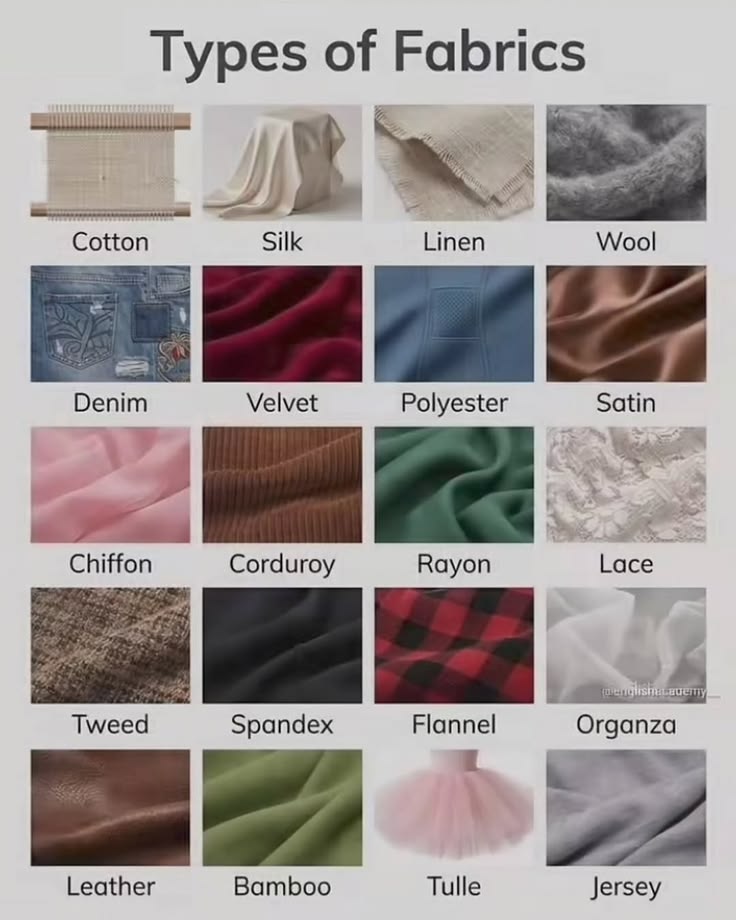
Best Fabrics
Choosing the right fabric is one of the most important factors in achieving high-quality machine embroidery. Even the best embroidery machine cannot deliver professional results if the fabric is not suitable for embroidery work. Different fabrics behave differently during stitching, and selecting the correct material helps improve design quality, durability, and finishing. Whether you are a beginner or running an embroidery business, understanding the best fabrics for machine embroidery can help you avoid common mistakes and produce professional results
Why Fabric Selection Matters in Machine Embroidery
Fabric directly affects:
- Stitch quality
- Design clarity
- Thread tension
- Fabric stability
- Overall embroidery appearance
Using the wrong fabric can cause puckering, thread breakage, uneven stitching, or poor design finishing. High-quality embroidery starts with the right fabric choice.
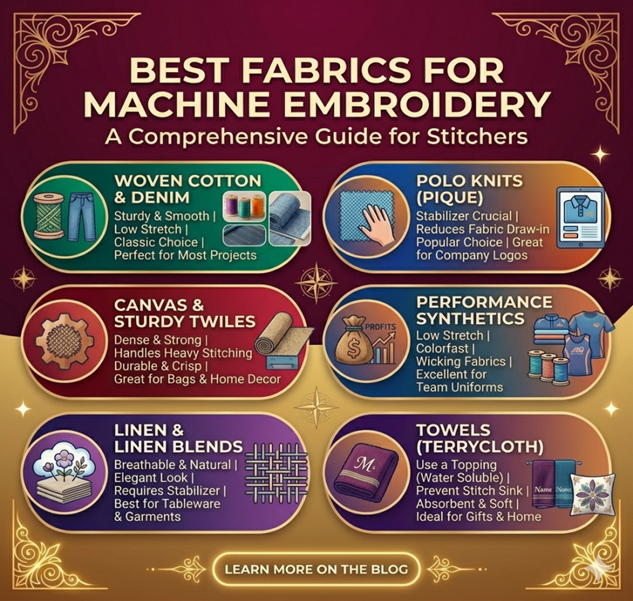
1. Cotton Fabric – Best for Beginners
Cotton is one of the most commonly used fabrics for machine embroidery because it is stable, easy to handle, and beginner-friendly.
✅ Benefits:
- Smooth embroidery surface
- Minimal stretching
- Easy hooping process
- Suitable for detailed designs
✅ Best Used For:
- T-shirts
- Kurtis
- Kids wear
- Customized clothing
Cotton works exceptionally well with computerized embroidery machines.
2. Linen Fabric – Elegant & Professional
Linen is a premium fabric known for its natural texture and elegant appearance. It produces beautiful embroidery results when handled correctly.
✅ Benefits:
- Strong and durable
- Premium look
- Excellent thread visibility
✅ Best Used For:
- Designer wear
- Home décor items
- Boutique collections
Proper stabilizers are recommended while embroidering on linen.
3. Denim Fabric – Durable & Stylish
Denim is widely used for bold and fashionable embroidery designs.
✅ Benefits:
- Thick and stable fabric
- Ideal for heavy embroidery
- Durable for long-term use
✅ Best Used For:
- Jackets
- Jeans
- Bags
- Fashion wear
Denim supports logo embroidery and creative customized designs very well.
4. Silk Fabric – Premium Embroidery Finish
Silk creates luxurious embroidery results and is commonly used in bridal and festive collections.
✅ Benefits:
- Rich appearance
- Smooth embroidery finish
- Premium customer appeal
✅ Best Used For:
- Sarees
- Bridal wear
- Designer outfits
Silk requires careful handling and proper machine tension settings.
5. Polyester Fabric – Commercial & Uniform Use
Polyester fabrics are commonly used in uniforms and corporate garments because of their durability and wrinkle resistance.
✅ Benefits:
- Strong and long-lasting
- Easy maintenance
- Suitable for logo embroidery
✅ Best Used For:
- School uniforms
- Company uniforms
- Sportswear
Polyester performs well for bulk embroidery production.
6. Fleece & Knit Fabrics – Soft & Comfortable
Soft fabrics like fleece and knit materials are popular in winter wear and casual clothing.
✅ Benefits:
- Comfortable texture
- Good for decorative embroidery
- Attractive design finish
✅ Best Used For:
- Hoodies
- Sweatshirts
- Baby clothing
Using proper stabilizers is important to avoid fabric stretching.
Importance of Stabilizers in Embroidery
No matter which fabric you choose, stabilizers are essential for maintaining fabric stability during embroidery.
Stabilizers help:
- Prevent puckering
- Improve stitch quality
- Maintain design accuracy
- Support delicate fabrics
Choosing the right stabilizer improves overall embroidery performance significantly.
Choosing the Right Fabric for Your Business
When selecting fabric for embroidery, consider:
- Fabric thickness
- Stretch ability
- Design complexity
- End-use product
- Customer preference
Businesses using reliable machines like Julee embroidery machines can achieve excellent results on multiple fabric types with proper settings and techniques.
Common Mistakes to Avoid
❌ Using unstable fabrics without stabilizers
❌ Ignoring fabric thickness
❌ Incorrect thread tension settings
❌ Using unsuitable needles
Proper fabric selection improves embroidery quality and customer satisfaction.
✅ Final Thoughts
The success of machine embroidery depends not only on the machine but also on choosing the right fabric. Cotton, linen, denim, silk, polyester, and knit fabrics each offer unique advantages for different embroidery applications.
Understanding fabric behavior, using proper stabilizers, and maintaining correct machine settings will help you achieve professional-quality embroidery results consistently.
Whether you are creating customized fashion, uniforms, or boutique collections, selecting the best fabric is the first step toward beautiful and durable embroidery work.
FAQ’s
1. Which fabric is best for beginners in machine embroidery?
Cotton fabric is considered the best option for beginners because it is stable, easy to handle, and supports clean embroidery stitching.
2. Can embroidery be done on stretch fabrics?
Yes, embroidery can be done on stretch fabrics like knit and fleece materials, but proper stabilizers are required to prevent stretching and puckering.
3. Why are stabilizers important in machine embroidery?
Stabilizers help maintain fabric stability, improve stitch quality, and prevent embroidery designs from becoming distorted during stitching.
4. Is denim suitable for machine embroidery?
Yes, denim is an excellent fabric for embroidery because it is thick, durable, and ideal for bold designs and logo embroidery.

Proudly powered by WordPress
Add a Comment