How to Start an Embroidery Business in India

The embroidery industry in India is growing rapidly, driven by increasing demand for customized fashion, uniforms, branding, and designer clothing. From small boutiques to large garment manufacturers, embroidery has become an essential part of the textile and fashion industry.If you are planning to start your own embroidery business, this guide will help you understand the complete process—from choosing the right machine to finding customers and building a profitable business.

India has one of the world’s largest textile and garment markets, creating continuous demand for embroidery work. Today, customers prefer customized designs, personalized clothing, and premium finishing, making embroidery services highly valuable. Embroidery is widely used in:

  • Boutique and designer wear
  • School and college uniforms
  • Corporate branding and logos
  • Bridal collections
  • Kids wear and personalized gifts

Why Embroidery Business is a Great Opportunity in India

With low start up investment and strong demand, embroidery has become one of the most profitable small business opportunities in India.

Step 1: Understand Your Business Goal

Before starting, clearly define your business model.Ask yourself:

  • Will you work from home or open a shop?
  • Will you focus on custom orders or bulk production?
  • Who is your target audience?

You can start small and expand gradually as your business grows.Many beginners start with local boutique orders and later move into large-scale production.

Step 2: Choose the Right Embroidery Machine

Selecting the right machine is one of the most important decisions in your business journey.

Types of Embroidery Machines

Single Head Embroidery Machine

Best for:

  • Beginners
  • Home businesses
  • Small-scale production

These machines are affordable, easy to use, and ideal for customized work.

Multi Head Embroidery Machine

Best for:

  • Bulk orders
  • Garment factories
  • Large-scale businesses

They increase production speed and efficiency.

Reliable machines like Julee embroidery machines are widely preferred for their performance, durability, and beginner-friendly operation.

Step 3: Plan Your Budget

One of the biggest advantages of embroidery business is that it can be started with a moderate investment.

Your budget may include:

  • Embroidery machine
  • Threads and accessories
  • Computer/software
  • Workspace setup
  • Marketing expenses

Beginners can even start from home to reduce initial costs.

Step 4: Set Up Your Workspace

You don’t need a large commercial space initially.

A clean and organized workspace with:

  • Proper lighting
  • Stable power supply
  • Ventilation
  • Storage for threads and materials

is enough to start your embroidery business efficiently.

Step 5: Learn Basic Embroidery Skills

Even with modern computerized machines, basic knowledge is important.

Learn:

  • Machine operation
  • Thread handling
  • Design placement
  • Fabric types
  • Basic troubleshooting

Many embroidery machine suppliers, including Julee, provide training and technical guidance for beginners.

Step 6: Create Sample Designs

Before approaching customers, build a small portfolio.

Create samples such as:

  • Logo embroidery
  • Name embroidery
  • Floral patterns
  • Uniform designs

Take high-quality photos of your work for marketing purposes.

Good presentation increases customer trust.

Step 7: Find Your First Customers

Marketing plays a major role in growing your embroidery business.

Start with:

  • Friends and family
  • Local boutiques
  • Tailoring shops
  • Schools and colleges
  • Small businesses

You can also promote your work through:

  • Instagram
  • WhatsApp Business
  • Facebook pages
  • Google Business Profile

Social media is highly effective for embroidery businesses because visuals attract customers quickly.

Step 8: Focus on High-Demand Services

Some embroidery services are always in demand and offer better profit margins.

Popular services include:

  • School uniform logos
  • Company branding
  • Bridal embroidery
  • Kids name embroidery
  • Boutique customization

Customized products usually generate higher profits than standard designs.

Step 9: Improve Quality & Customer Service

Success in embroidery business depends heavily on quality and customer satisfaction.

Focus on:

  • Clean finishing
  • Accurate stitching
  • Timely delivery
  • Professional communication

Happy customers often become repeat clients and recommend your services to others.

Step 10: Scale Your Business

Once you start receiving regular orders, you can expand by:

  • Upgrading to multi-head machines
  • Hiring staff
  • Taking bulk garment orders
  • Offering online services

Investing in high-performance machines helps support long-term business growth.

Profit Potential in Embroidery Business

The embroidery business offers strong profit margins because:

  • Material costs are relatively low
  • Customized work adds premium value
  • Bulk orders increase income significantly

Many embroidery business owners in India earn anywhere between:

  • ₹30,000 to ₹1,00,000+ per month

depending on order volume and service quality.

Common Mistakes to Avoid

Buying the wrong machine
❌ Ignoring customer service
❌ Poor design quality
❌ Lack of marketing
❌ Underpricing your work

Consistency and professionalism are key to long-term success.

✅ Final Thoughts

Starting an embroidery business in India is a smart opportunity for anyone interested in creativity, fashion, and entrepreneurship. With the right machine, proper planning, and consistent effort, you can turn embroidery into a profitable and scalable business.

Whether you start from home or plan a larger setup, success depends on learning continuously, delivering quality work, and building strong customer relationships.
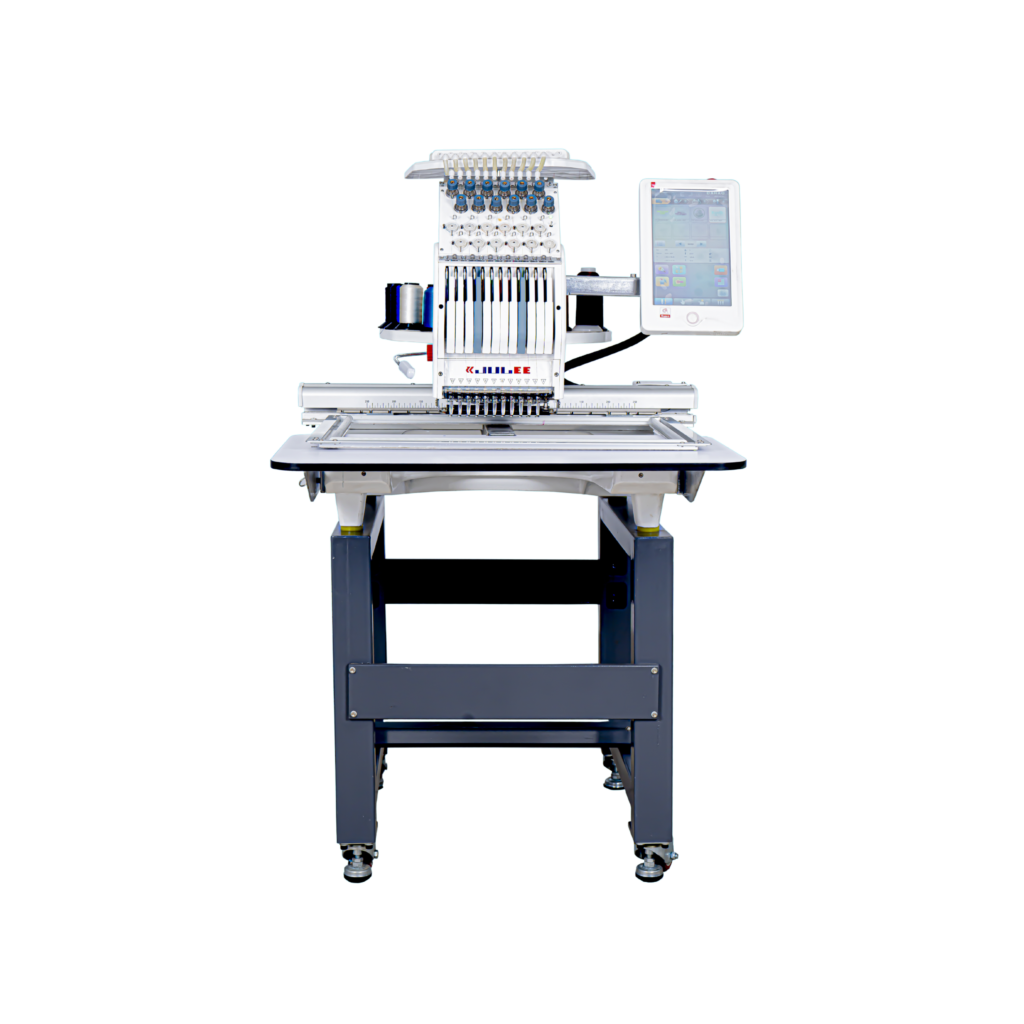
Top Model

Single Head

MId Model

Multi Head
FAQ

1. Is embroidery business profitable in India?

Yes, embroidery business is profitable in India due to the increasing demand for customized clothing, uniforms, boutique designs, and logo embroidery. With the right machine and proper marketing, it can generate steady income.

2. How much investment is needed to start an embroidery business?

The investment depends on the type of embroidery machine and business scale. Beginners can start with a single head embroidery machine and basic setup at a moderate investment.

3. Which embroidery machine is best for beginners?

Single head computerized embroidery machines are best for beginners because they are easy to operate, affordable, and suitable for small-scale production.

4.Is training necessary before starting an embroidery business?

Basic training is highly recommended because it helps you understand machine handling, troubleshooting, and design techniques more efficiently.

Proudly powered by WordPress

How to Increase Production with Multi Head Embroidery Machines

In the embroidery industry, efficiency is everything. Whether you’re running a small custom shop or a large-scale production house, maximizing output while maintaining quality can set you apart from competitors. One of the best ways to achieve this is by using multi head embroidery machines. These machines are designed to run multiple designs simultaneously, saving time and boosting production.

In this guide, we’ll show you practical strategies to increase production with multi head embroidery machines without compromising quality.

1. Understand the Power of Multi Head Embroidery Machines

A multi head embroidery machine allows you to stitch the same design on multiple garments at once. For example, a 6-head machine can embroider six caps, shirts, or jackets simultaneously. This significantly reduces turnaround time compared to single-head machines.

Key Benefits:

  • High-volume production
  • Consistent embroidery quality
  • Cost-efficient for bulk orders
  • Better ROI over time

2. Optimize Machine Settings for Speed & Quality

Getting the most out of your embroidery machine depends on proper settings.

  • Adjust stitch density: Too many stitches slow down production.
  • Use the right speed: Faster isn’t always better—find the balance between speed and precision.
  • Digitize smartly: Well-digitized designs reduce errors and rework.

Pro Tip: Regularly test your settings on scrap fabric before running large orders.

3. Invest in Skilled Operators & Training

Even the best machine needs a skilled operator. Proper training ensures fewer mistakes and maximum productivity.

  • Train staff on hooping, threading, and tension adjustments.
  • Encourage operators to troubleshoot minor machine issues.
  • Create a standard operating procedure (SOP) for consistency.

4. Reduce Downtime with Preventive Maintenance

Machine breakdowns can cost you hours—or even days—of lost production. To avoid this:

  • Schedule routine maintenance (cleaning, oiling, part replacements).
  • Keep spare needles, bobbins, and common parts in stock.
  • Use high-quality threads and stabilizers to prevent thread breaks.

A well-maintained machine runs smoother and increases output.

5. Streamline Workflow & Workspace

Production is not only about the machine—it’s about the entire workflow.

  • Organize threads, hoops, and tools for quick access.
  • Pre-hoop garments while another batch is running.
  • Group orders by design and color to minimize thread changes.

This small step saves hours in the long run.

6. Scale Smartly with More Heads or Machines

If you consistently run at full capacity, consider upgrading to a larger multi head embroidery machine or adding another unit.

  • Start with 4–6 heads if you’re growing.
  • Move up to 12+ heads for large-scale production.
  • Track production data to know when scaling is necessary.

How to Digitize Embroidery Designs for Perfect Results

Embroidery digitizing has revolutionized the way designs are created and embroidered on garments, accessories, and home décor. Whether you’re a small business owner, a hobbyist, or someone working in the apparel industry, understanding the art of digitizing embroidery designs is essential for achieving perfect results.

In this guide, we’ll cover everything you need to know about embroidery digitizing, from the basics to advanced tips, ensuring that you can create flawless designs that stand out. By the end, you’ll have a complete step-by-step process, insider strategies, and SEO-friendly knowledge that will help you master embroidery digitizing like a pro.

What is Embroidery Digitizing?

Embroidery digitizing is the process of converting artwork (logos, graphics, or illustrations) into a digital embroidery file that embroidery machines can read. This file instructs the machine how to stitch the design — including stitch type, direction, density, and sequence.

Unlike simply scanning an image, embroidery digitizing requires a skilled combination of software expertise, design understanding, and fabric knowledge.

Why It Matters

  • Ensures professional, crisp, and long-lasting embroidered results.
  • Saves time and reduces thread wastage.
  • Makes designs scalable across different products.
  • Enhances the quality of your brand presentation.

Tools Needed for Digitizing Embroidery Designs

Before diving into the step-by-step process, let’s look at the tools you’ll need:

  1. Embroidery Digitizing Software
    • Examples: Dahao EM Cad, Wilcom, Hatch, Brother PE-Design, Embrilliance, Pulse, and Ink/Stitch.
    • Each software comes with unique features like stitch simulation, editing tools, and file conversion.
  2. Embroidery Machine
    • Popular brands: Julee, Brother, Janome, Bernina, Tajima, and Ricoma.
  3. Artwork or Logo
    • High-resolution files work best (PNG, SVG, AI, or EPS).
  4. Computer/Laptop
    • Ensure you have sufficient RAM and processing power for handling large design files.
  5. Fabric and Stabilizer Samples
    • Different fabrics (cotton, polyester, denim, silk, etc.) respond differently to stitching.

Step-by-Step Guide to Digitizing Embroidery Designs

1. Prepare Your Artwork

  • Always start with a clean, high-resolution image.
  • Simplify the design (avoid overly detailed graphics that may not stitch well).
  • Ensure contrast and clarity for accurate digitizing.

2. Import Design into Digitizing Software

  • Open your embroidery software.
  • Import the artwork in the correct file format (JPEG, PNG, SVG, etc.).

3. Choose the Right Stitch Types

Embroidery isn’t just about “drawing with thread.” You must select appropriate stitch types:

  • Satin Stitch – Ideal for text and borders.
  • Fill Stitch (Tatami Stitch) – Used for larger areas.
  • Running Stitch – Outlines and fine details.

4. Adjust Stitch Density and Direction

  • Proper density prevents fabric puckering or stiffness.
  • Changing stitch direction adds depth and texture.

5. Set Underlay Stitches

Underlay stitches act as a foundation and prevent shifting. Options include:

  • Edge run underlay
  • Zigzag underlay
  • Center walk underlay

6. Optimize for Fabric Type

  • Light fabrics need lower density and softer underlay.
  • Heavy fabrics like denim require higher density.
  • Stretch fabrics demand careful stabilization.

7. Sequence Your Design

  • Digitize in a logical order (background to foreground).
  • Minimize trims and jumps for efficiency.

8. Save and Export in Machine Format

  • Save the master file (editable).
  • Export to specific machine format (DST, PES, EXP, JEF, VP3, etc.).

9. Test Stitch Out

  • Always run a sample on similar fabric before final production.
  • Adjust density, pull compensation, or thread colors as needed.

Common Mistakes to Avoid

  • Using low-resolution artwork → results in poor stitch quality.
  • Overly dense stitches → causes thread breakage and puckering.
  • Ignoring fabric type → design may not sit properly on certain materials.
  • Not testing the design → costly mistakes in production.
  • Skipping underlay stitches → reduces durability and neatness.

Advanced Tips for Perfect Embroidery Digitizing

  1. Use Auto-Digitizing Carefully
    • Many software programs offer auto-digitizing, but manual adjustments always yield better results.
  2. Apply Pull Compensation
    • Compensate for fabric stretch by slightly extending stitch lengths.
  3. Color Matching
    • Use the correct thread shade for brand consistency.
  4. Keep File Sizes Optimized
    • Large, overly complex files can slow machines down.
  5. Layer Wisely
    • Stitch larger filled areas first, then move to fine details.

Best Practices for Professional Results

  • Always maintain a balance between stitch density and design clarity.
  • Create different versions of the same design for different fabric types.
  • Keep learning! Join digitizing communities, forums, and embroidery groups.
  • Stay updated with software upgrades and industry trends.

SEO Keywords to Use Naturally

To make this blog SEO-friendly and rank organically, here are relevant keywords (use them naturally, not forced):

  • Embroidery digitizing
  • Digitizing embroidery designs
  • How to digitize embroidery
  • Best embroidery digitizing software
  • Embroidery machine file formats
  • Digitizing for embroidery step by step
  • Professional embroidery tips
  • Embroidery design conversion
  • Embroidery digitizing services

FAQs About Embroidery Digitizing

1. Can I digitize embroidery designs without software?
No, you’ll need digitizing software to create embroidery-ready files.

2. What file formats are used in embroidery machines?
Common formats include DST, PES, EXP, JEF, VP3, and HUS.

3. How long does it take to digitize a design?
Simple logos may take 20–30 minutes, while complex artwork can take several hours.

4. Is auto-digitizing good enough?
It works for basic designs, but professional results require manual digitizing.

5. Do I need professional digitizing services?
If you’re new or working with bulk orders, outsourcing to a professional digitizer may save time and reduce errors.